
Plinko – How the JL98 Game Works and What to Expect
A clear guide to the falling-token game, its board, and the choices to review before a round.
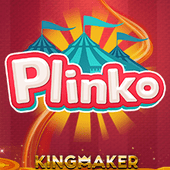
Plinko is a cards-category game built around a simple visual idea: release a token at the top of a peg board and watch it move toward a landing lane. In short, review the available round settings, choose only a stake you can afford, and treat each result as independent rather than predictable.
More quick games to explore
 5 Card Poker
 Cards Hi Lo
 Coin Pusher
 Coin Toss
What makes Plinko a distinct board game?
Plinko is a chance-based drop game, not a conventional hand of cards. Its placement in the cards collection identifies the site category; the visible play concept is a token travelling through a field of pegs before stopping in a bottom lane. Each release is a new event, and the path should not be read as a pattern that guarantees the next result.
The format is easy to understand at a glance, but the result can vary from one landing position to another. A player may first check whether the board offers different row counts, risk settings, or payout labels. Those options can change the range and distribution of outcomes. Read the on-screen rules for the selected version instead of assuming every board uses identical settings.
For newcomers, the most useful starting point is to observe how a round is presented and what the interface asks them to choose. A Plinko Demo, when available in the game interface, can help someone learn the controls without confusing practice with a forecast of later results. Demo outcomes do not promise the same sequence in a paid session.
Some visitors arrive through a Jl98 Casino browsing path and want to know whether this game is a strategic card contest. It is better understood as a short, visually guided chance game: the player selects permitted settings, starts a drop, and then checks the outcome. Familiarity with the controls can improve comfort, but it cannot control where a token lands.
How Plinko’s pegs and landing lanes shape a round
The board determines the route, while the final lane determines the displayed result. A token is released from an upper point, encounters pegs as it descends, and is deflected toward one of the available positions at the base. The visible movement explains the experience; it is not a signal that a player can steer every bounce.
Three parts are worth checking in the game’s own rules. First, look at the number and layout of rows, since these define how many interactions the token may encounter. Second, review the landing positions and any values shown beneath them. Third, inspect the stake and risk controls before committing to a round. Labels and options can differ between versions, so use the displayed information rather than outside assumptions.
A wider spread of possible outcomes may feel more dramatic, while a narrower range may look steadier. Neither description makes a particular lane due or overdue. In a properly independent round, a previous result does not change the next drop simply because a sequence appears to be repeating. Avoid doubling a stake to recover a previous loss; that changes exposure, not the board’s underlying chance.
On a small screen, the important details are legibility and control accuracy. The jl98 mobile view should keep the stake, drop action, and outcome labels easy to inspect without requiring a hurried tap. If the board is hard to read, pause and adjust the view before continuing. Do not interpret animations, speed, or a near miss as evidence that a future result is more likely.
Players comparing different titles sometimes also look at Starlight Princess. That is a separate game format; compare only the rules, pace, and risk information actually shown for each title. The visual theme of another game has no bearing on a Plinko result.
A measured way to approach Plinko rounds
A sound approach starts with limits, not a prediction. Decide the maximum amount and time for a session before opening the board, select a small stake that fits that limit, and stop when either boundary is reached. No betting pattern can remove chance or ensure a return.
Before the first drop
Take a moment to read the game rules, identify the available settings, and make sure you understand how a round begins and ends. If a demo option is offered, use it to become familiar with controls and screen layout only. A Plinko Demo is a learning aid; it is not a reliable sample from which to calculate a winning route or guarantee a later cash result.
During a session
Keep the stake consistent with your pre-set budget, pay attention to each result, and take a break if excitement or frustration starts to drive decisions. Resist chasing a low landing or increasing the next stake because several rounds have gone another way. A calm pace makes it easier to follow the rules and protect the session limit.
When deciding to stop
End play when you reach your time or spending cap, whether the session has gone well or poorly. Do not borrow, use money reserved for essentials, or treat gaming as a way to solve financial problems. If the activity stops feeling recreational, step away and use locally available support resources. Participation should be limited to adults and follow the applicable laws in your location.
The same principles apply if you switch between a phone and desktop. A jl98 link should take you to the intended JL98 experience, but access alone does not change the game’s probabilities. Confirm that the page and game settings are the ones you meant to open, then make choices deliberately rather than through repeated rapid taps.
What to check when choosing a Plinko setup
Choose a setup only after the rules, range of outcomes, and personal limit are clear. A useful comparison is based on information in the game interface, not a claim that one setting will make a win certain. If a detail is missing or unclear, do not guess; review the help information before playing.
Rules first
Confirm how a drop works, what the lanes mean, and which settings are active.
Affordable stake
Set a fixed amount that fits a recreational budget before starting.
Readable controls
Use a screen size where values, buttons, and outcomes are easy to review.
Clear stop point
Choose a time and spend limit and finish the session when either is reached.
It can help to compare the pace and instructions of Plinko with other titles, but keep the comparison factual: different game types have different mechanics. For example, Mines Gold is a separate selection, and its choices should be understood from its own rules rather than used to infer a result on the peg board. There is no universal “best” risk setting independent of a player’s budget and comfort.
Check that any displayed pay information is current for the selected board and that you understand whether a control changes the stake, the number of drops, or another parameter. Before confirming, review the total exposure that the action can create. A setting that increases possible variation may also make outcomes less predictable; do not choose it because a prior round appeared close to a larger result.
If a Plinko result surprises you, what should you do?
Pause, check the round record and rules, and do not immediately raise your stake. A surprising landing is part of a chance-based game, not proof that the next token will compensate for it. Confirm what the screen recorded, make sure you understand the displayed result, and decide whether to stop within the limit you set before play.
If the outcome appears inconsistent with the game’s stated rules, avoid repeatedly starting new rounds while trying to “test” it. Capture the relevant on-screen details for your own reference, consult the game’s help or support channel, and wait for clarification. Never share passwords or payment credentials in an attempt to resolve a gameplay question.
When the result is simply different from what you hoped for, treat it as a completed round and return to your plan. Do not chase the loss, borrow money, or rely on a streak theory. If you feel pressure to continue, close the game and take a break. The safest next step can be no next round at all.
For anyone new to Plinko, these checks provide a practical answer to the common question “what now?”: read the outcome, verify the rules if something seems wrong, and stop or continue only within a previously chosen recreational boundary. The game is for eligible adults, and play should remain a form of entertainment rather than an income strategy.